Original Equipment Manufacturer (OEM) and Original Design Manufacturer (ODM) describe two different ways a skincare brand can work with a contract manufacturer: under OEM you own the formula and the factory simply produces it, while under ODM the manufacturer supplies a ready formula that you brand as your own. The right call depends on how much formulation control, development time, and budget you have — and on what you want to own as intellectual property.
What is the difference between OEM and ODM in skincare?
Both models let you launch a branded product without running your own plant, but they split the work differently. The simplest way to see it is to compare who designs the formula and who owns it.
| Dimension | OEM (you bring the formula) | ODM (manufacturer brings the formula) |
|---|---|---|
| Formula ownership | Brand / your formulator | Contract manufacturer |
| Product development | You brief specs; factory executes | Factory offers a finished base you select |
| Differentiation | High — it is your recipe | Lower — base may be shared by others |
| Time to market | Longer (sampling + stability) | Shorter (off-the-shelf base) |
| Typical MOQ | Often higher | Often lower |
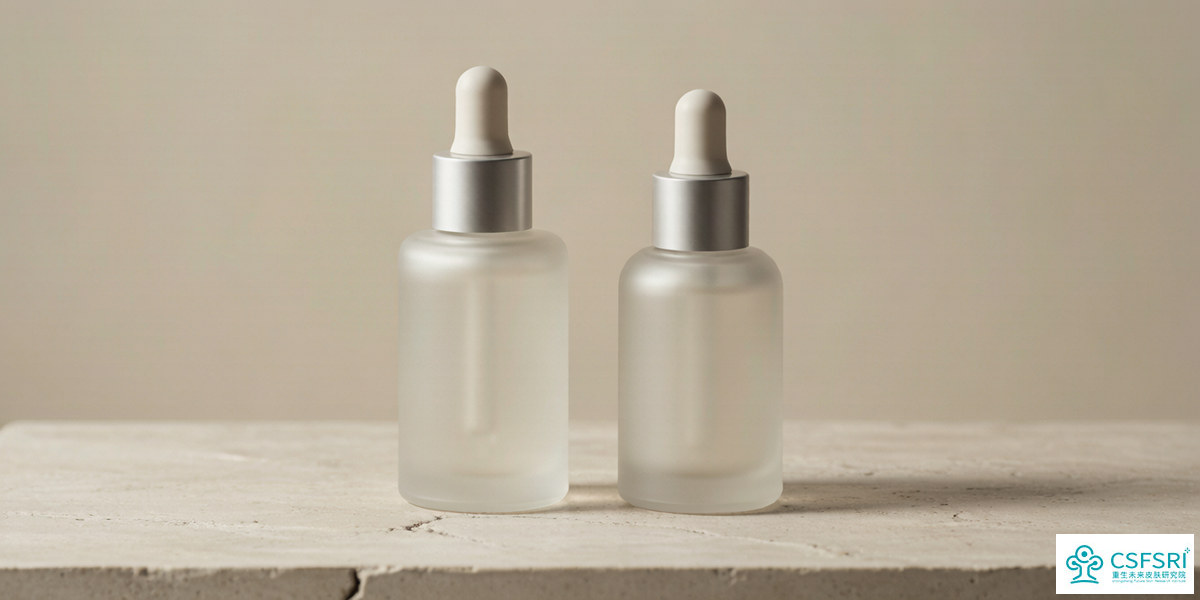
In practice many suppliers blur the line and offer "ODM with light customization," where you tweak a base formula's fragrance, texture, or active level. Treat any such promise as a negotiation point, not a given.
When should a new brand choose ODM over OEM?
ODM usually wins when speed and a limited budget matter more than a unique recipe. If you are testing a market or a channel and want shelves filled in weeks rather than months, a manufacturer's existing base can get you there.
- Faster launch: no formula development cycle, so sampling is mostly about packaging and fill.
- Lower upfront cost: you skip the formulator fees that a bespoke recipe carries.
- Less technical risk: the base has typically already been produced and stability-tested at scale.
The trade-off is sameness. A base sold to several brands is rarely exclusive, so your product can look like a neighbour's with a different label. Exclusivity clauses cost more and are worth discussing up front.
When does OEM make more sense for a skincare line?
OEM is the stronger fit when the formula is the product — when your claim, texture, or active system is what sets you apart. You bring the brief (or a partner formulator does), and the contract manufacturer scales it.
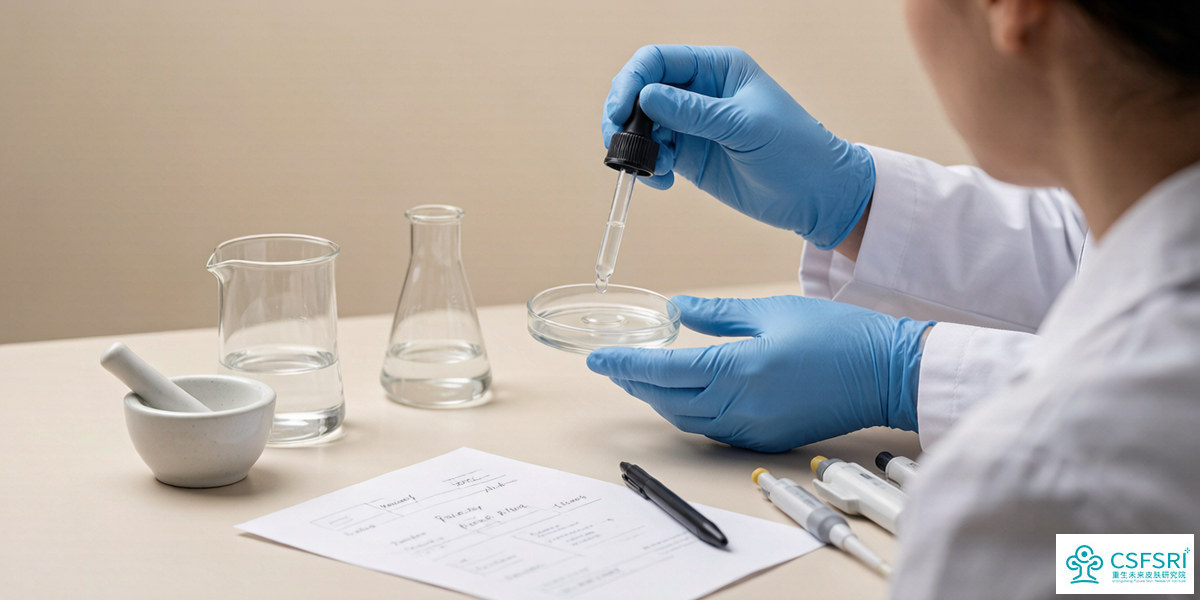
This path asks more of you: a clear specification, a sampling round, and stability or challenge testing before launch. But it gives you something competitors cannot copy by relabeling — the recipe itself.
What should you verify in a contract manufacturer before signing?
Model choice is secondary to supplier quality. Before you commit, check the basics that protect your brand and your buyers:
- Certifications: look for ISO 22716 (cosmetic Good Manufacturing Practice) and GMPC; these signal documented process control, not a guarantee of results.
- Documentation: a Certificate of Analysis (COA) per batch, plus access to stability and challenge test records on request.
- IP and confidentiality: confirm in writing who owns the formula and that your brief will not be reused for another client.
- Market readiness: if you sell into the EU, ask about EU CPNP notification; for the US, FDA VCRP registration — as processes, not promises.
- MOQ and lead time: get them in writing, including re-order windows, so a second run does not stall.
How do OEM and ODM affect your cost and timeline?
Think of cost as two stacks. ODM front-loads less and repeats cheaply; OEM spends early on development but can defend a higher price through differentiation. Timeline follows the same logic: a private label ODM base can ship in a few weeks, while an OEM line built from a brief commonly needs one to three months across sampling, testing, and fill.
| Factor | OEM | ODM |
|---|---|---|
| Development spend | Higher (formulation) | Lower (base exists) |
| Launch window | 1–3 months typical | Weeks typical |
| Ongoing differentiation | Strong | Weak unless exclusive |
Neither model is universally superior — the question is which constraints you are solving for today.
Related reading
- Private Label Skincare MOQ: Four Levers to Watch
- What a Cosmetic COA Tells You (and What It Doesn't)
If you are deciding between OEM and ODM for a new skincare line and want to pressure-test your plan against real production limits, our team at CHONGSHENG FUTURE(重生未来)runs both OEM and ODM programs across skincare, personal care, and haircare, and we can walk through what each path would actually cost and take for your category.