When you scope a private label skincare line, the minimum order quantity (MOQ) is usually the first number that shapes your budget — and often the first surprise. Most first-time founders expect a low MOQ skincare run to be a formulation constraint. In practice, it is rarely the formula that sets the floor.
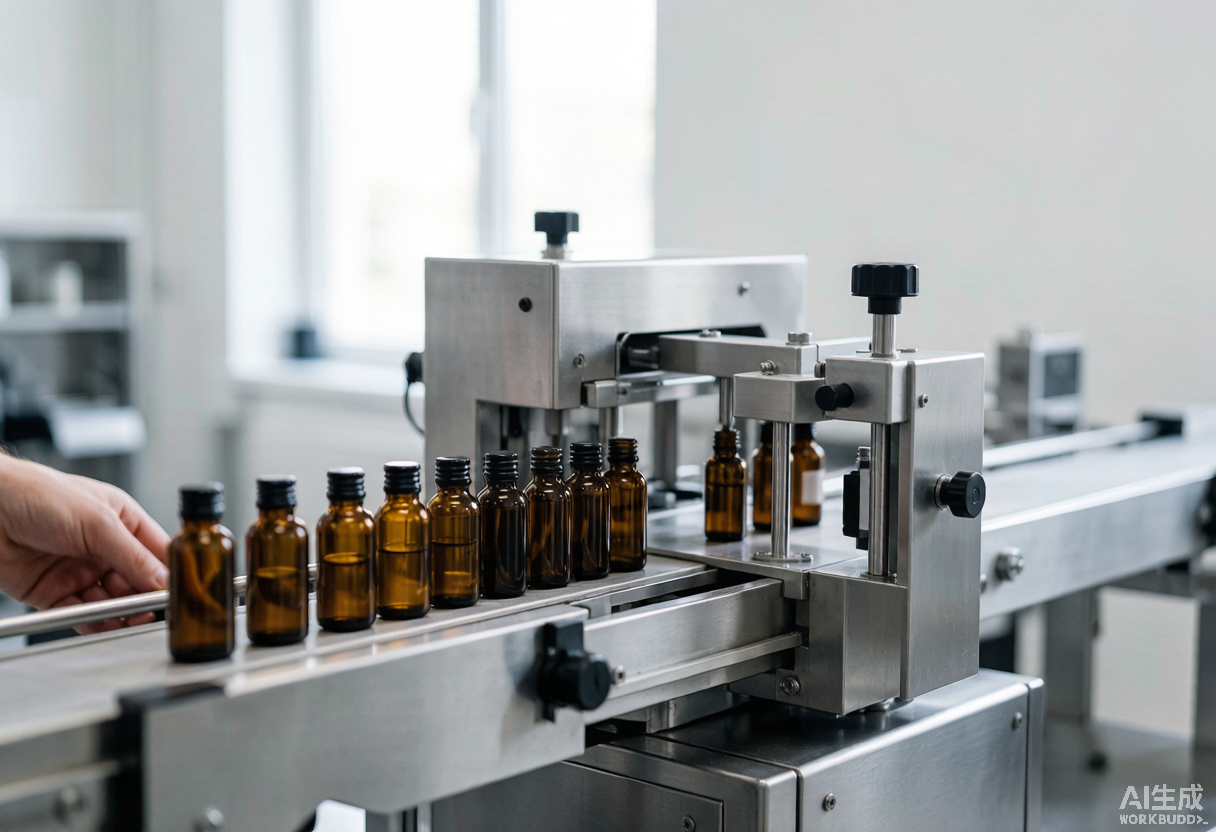
What "MOQ" Really Covers in Skincare Production
A private label skincare MOQ is not a single number the factory invents. It is the largest of several independent minimums stacked on top of each other: raw material batch sizes, packaging procurement, filling-line setup, and any testing you require before shipment. The run that actually gets produced is the one that satisfies all of them at once.
That is why two manufacturers can quote very different minimums for what seems like the same product. One may have the packaging already in stock; another may be ordering it fresh from a supplier with a strict case quantity. One may run your formula on a shared kettle; another may need a dedicated line changeover. The MOQ you are quoted is simply the most restrictive of those minimums in that particular factory at that particular time. This is also why a quote from a large, fully booked facility can be higher than one from a smaller partner: the larger plant is optimizing line utilization, while the smaller one may have slack capacity it wants to fill.
The Four Cost Levers Behind Your Minimum
| Lever | What sets its minimum | Typical buyer impact |
|---|---|---|
| Packaging | Suppliers sell bottles, pumps and cartons in their own case quantities | Usually the dominant floor |
| Formula & raw materials | Some actives are sourced in kilogram drums; small batches mean scrap | Moderate |
| Filling & assembly | Line changeover and cleaning have a fixed cost per run | Moderate to high at low volume |
| Testing & documentation | Stability, microbiological and regulatory files | Small per unit, fixed per project |
Packaging Usually Sets the Floor
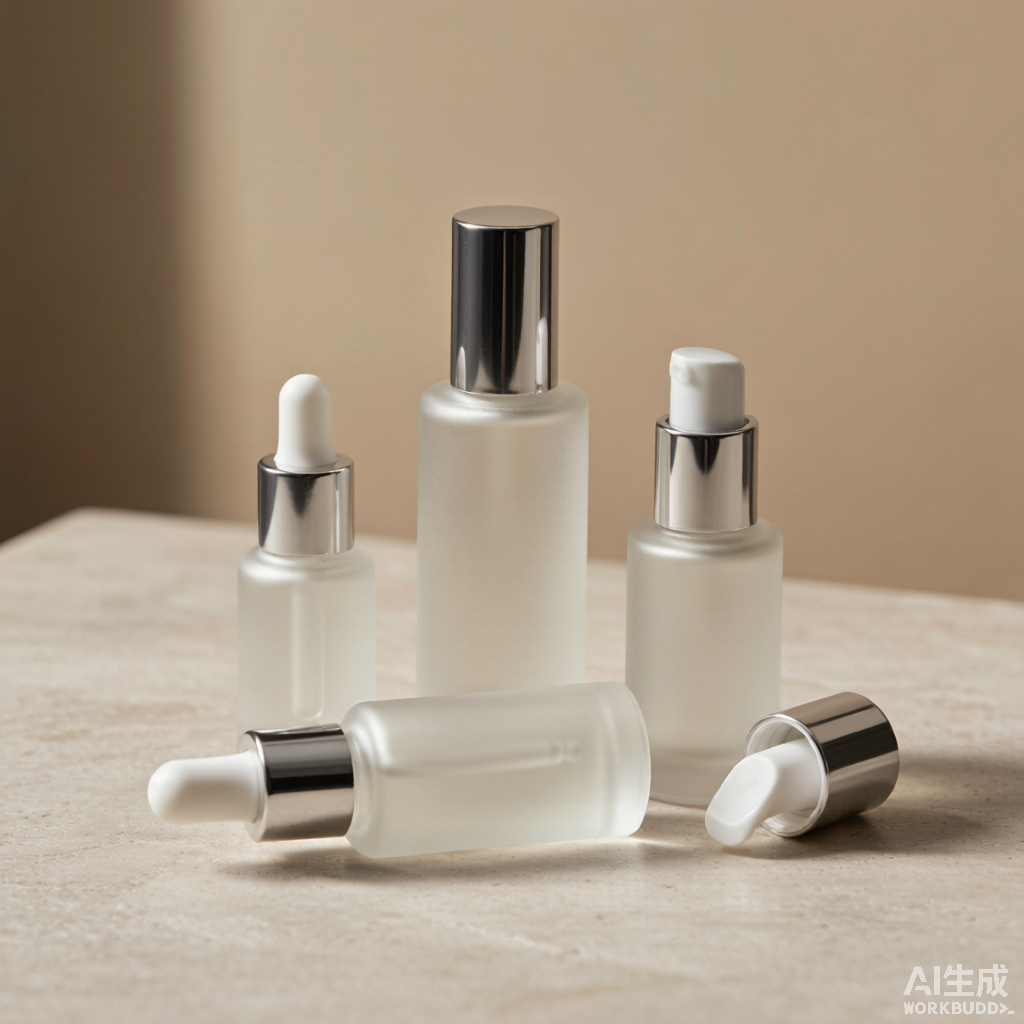
If you want to understand why your private label skincare MOQ looks the way it does, start with the bottle. Glass and airless pump suppliers quote in case pack quantities that a contract manufacturer cannot split without absorbing the cost. When the manufacturer orders 5,000 bottles to satisfy a 3,000-unit order, the remaining 2,000 units sit as inventory risk — and that risk is priced into your quote.
Choosing a stock, off-the-shelf bottle instead of a custom-molded one is the single fastest way to bring the number down. Stock components are already in the supply chain, often in regional warehouses, and the factory can combine your order with other brands to hit the supplier's case quantity. Custom molds, custom colors and specialty closures almost always push the MOQ up because they cannot be shared across customers.
Formula Complexity and Batch Size
A straightforward emulsion built from readily available raw materials can be batched in a smaller kettle than a multi-phase formula with temperature-sensitive actives. When a formula needs a specialty ingredient sourced in large drums, the supplier's minimum — not yours — drives the batch size. This is where a good technical brief pays for itself: small reformulation choices can shift the whole run into a smaller kettle. For example, a heat-sensitive active added at a specific cooling stage requires a smaller, more controlled batch and cannot simply be scaled up in the same kettle.
Even the viscosity of a serum affects the filling line. Thicker products run slower, need different nozzles and may require heated tanks. Those constraints do not change the formula cost much, but they change how many units the line can fill in a day — which in turn changes the minimum run that makes economic sense for the manufacturer.
Where Testing and Documentation Add Up
Documentation does not raise the unit MOQ directly, but it raises the total cost of a small run. Stability testing, preservative challenge testing and the regulatory files needed for markets such as the EU (CPNP) or the U.S. (FDA VCRP) are largely fixed per project. Spread across a tiny first order, that fixed cost can make a low MOQ skincare launch uneconomic — which is why many brands start with one hero SKU rather than a full range.
If your plan is to test demand with a small run, be explicit about which tests are launch-critical and which can be deferred until the second batch. A good contract manufacturer will help you phase the validation work so you are not paying for a full validation package on a pilot batch. A pilot batch of 500 units and a commercial batch of 5,000 units often require the same set of release documents, so the per-unit validation cost falls dramatically as volume grows.
Practical Ways to Lower Your MOQ
- Standardize packaging on stock components instead of custom molds.
- Start with one hero product to amortize testing and documentation.
- Share a base formula across variants, changing only fragrance, color or one active.
- Ask about the manufacturer's existing certified raw material library before specifying actives.
- Plan a realistic second order so the supplier can phase raw material purchases across runs.
- Be flexible on launch color or closure options if it lets the factory combine your order with others.
Key Takeaways
- Your private label skincare MOQ is set by the highest of several independent minimums, not by the formula alone.
- Packaging is usually the dominant floor; stock bottles beat custom molds for low volume.
- Testing and documentation are fixed per project, so a smaller first run carries more overhead per unit.
- A focused one-SKU launch is the most economical way to enter with a lower minimum.
If you are scoping a private label line and want to pressure-test your formulation brief against real production constraints, our technical team can review it with you. We run OEM and ODM programs across skincare, personal care and haircare, and we can map out what a realistic first order looks like for your category.