OEM and ODM are the two most common contract-manufacturing models in cosmetics, and the main difference comes down to one question: who develops the formula? Under OEM (original equipment manufacturing), your brand supplies or controls the product specification, and the factory produces to that spec. Under ODM (original design manufacturing), the manufacturer develops the base formula and your brand adopts or customizes it. The right choice depends on your formulation resources, how much control you want over the recipe, your budget, and how fast you need to reach the shelf.
What exactly is the difference between OEM and ODM?
Both models let a brand launch products without building its own factory, but they sit at opposite ends of the development spectrum.
| Dimension | OEM | ODM |
|---|---|---|
| Who develops the formula | Brand or its hired formulator | The manufacturer |
| Formula ownership | Usually stays with the brand | Usually held by the manufacturer |
| Speed to market | Slower; development is part of the timeline | Faster; a base already exists |
| Upfront cost | Higher (development, testing, tooling) | Lower entry cost |
| Differentiation | High; the recipe is yours | Lower unless significantly customized |
In practice the line is not absolute. Many projects blend the two: a brand starts from an ODM base and commissions partial customization, which is sometimes called a hybrid or modified-ODM approach.
How does each model affect your time to market?
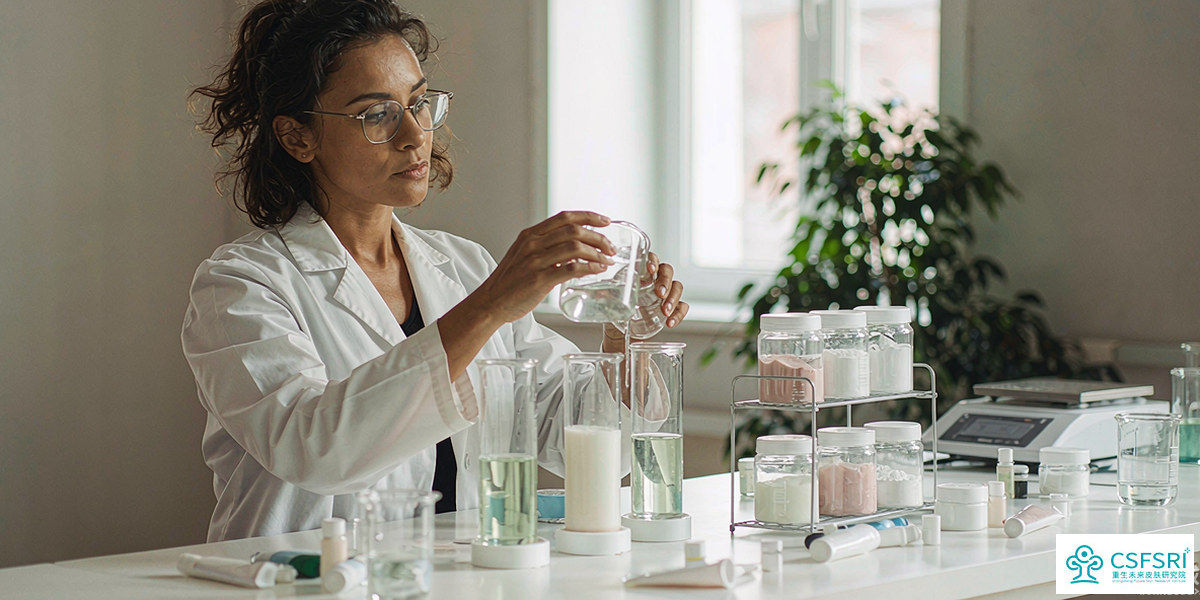
Time to market is usually the first reason brands consider ODM. Because a manufacturer-developed base already exists, sampling can start from an existing starting point, and the brand’s work shifts toward branding, packaging and claim support rather than formula creation. That commonly shortens the early phase of the project.
OEM typically takes longer before the first saleable unit, because formula development, stability work and claim substantiation are part of the critical path. The largest variable is often component and packaging lead time rather than filling itself, so even a fast formula can stall on a custom bottle or a decoration process. Plan the timeline around the longest lead item, not the shortest.
What about formulation ownership and intellectual property?
This is where brands make the most expensive mistakes. Under OEM, the brand commonly owns or controls the specification, but ownership must still be stated in the manufacturing agreement; do not assume it carries over automatically. Under ODM, the manufacturer usually owns the base formula, and your right to use it, any exclusivity, and restrictions on resale to other brands should all be written into the contract.
If exclusivity matters to your positioning, negotiate it explicitly. A base described as unique to you is only unique if the contract says so; otherwise the same starting formula may appear under several competing labels.
How do cost and MOQ compare?
MOQ (minimum order quantity) is driven less by the manufacturing model and more by batch economics, packaging configuration and component purchasing. Custom packaging and a custom formula generally push MOQ up; a stock formula in standard packaging usually allows a lower entry order. So a low-MOQ route is possible under OEM too, if you accept standard components.
On cost, OEM usually asks for more upfront, covering development, testing and any tooling, while ODM spreads that investment across the manufacturer’s existing base. The trade-off is differentiation: with ODM you may share a similar base with other brands unless you invest in meaningful customization.
Which model fits your brand stage?
Consider OEM when you have a defined formula or a clear specification, want tight control over ingredients and claims, plan to differentiate on the recipe itself, and have the volume to justify development cost.
Consider ODM when you want to test a market quickly, have limited formulation resources, prefer a lower upfront investment, or are comfortable differentiating through branding, packaging and go-to-market rather than the formula.
For many new brands the pragmatic path is ODM first to validate demand, then move select hero products to OEM once the concept and volume are proven. There is no single correct answer; the fit depends on your resources and goals.
What should you verify before signing with a manufacturer?
- Who owns the formula, and is that ownership exclusive to your brand?
- What exactly is included in the development fee, samples, testing, artwork support?
- What is the realistic MOQ per format, and what drives it?
- Which testing and documentation does the manufacturer provide, such as stability, microbiology and safety assessment?
- Which regulatory filings can they support for your target markets, for example CPNP for the EU, NMPA filing for China, or U.S. FDA establishment registration under MoCRA?
- What does the lead-time breakdown look like, and which step is on the critical path?
Do the regulatory obligations differ between the two?
Not as much as brands expect. Regardless of whether you use OEM or ODM, the product still needs to meet the requirements of each market where it is sold, things like product notification or registration, responsible-person or local-agent obligations, labeling rules and safety assessment. The manufacturing model changes who prepares the technical file, but it does not remove the obligation. Requirements vary by market, product type and claim, so confirm the specifics for your target regions before finalizing artwork.
If you are scoping a private label or contract-manufacturing program and want to pressure-test your formulation brief against real production constraints, our technical team can review OEM and ODM routes with you based on your target volume, positioning and market.