Choosing between OEM, ODM and OBM is the first real decision a skincare brand makes before it ever touches a formula. In short: OEM means a contract manufacturer produces your own approved formula to your specification; ODM means you adopt a manufacturer-developed formula and put your brand on it; OBM means the manufacturer owns the brand and you buy it wholesale. The right model depends on how much formulation control, IP ownership and upfront investment your business can carry.
What does OEM actually mean for a skincare brand?
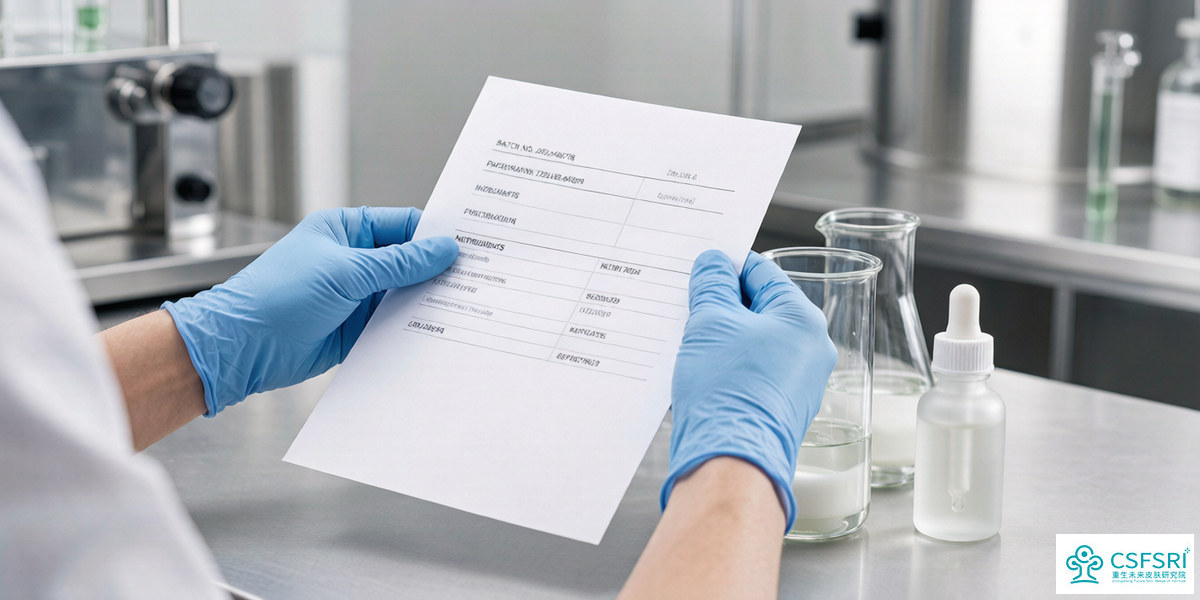
Under an OEM (Original Equipment Manufacturer) arrangement, you arrive with a formulation brief — or a finished, validated recipe — and the factory produces it under your brand. You retain control of the formula, the claims approach and the supporting documentation such as the Certificate of Analysis (COA) and stability data.
OEM suits founders who already have a clear product concept, often shaped with a chemist or consultant, and want the factory to handle mixing, filling, packaging and quality release. It gives you complete ownership of the recipe, but it also means you are responsible for the brief being manufacturable and compliant in your target market. Because you own the specification, OEM also makes it easier to switch factories later or to register the product in multiple regions without re-developing the formula.
- You control the formula and can keep it exclusive to your brand.
- Order quantities are driven by batch economics, not by shared tooling.
- Lead time includes formula lock, stability testing and pilot runs.
- You generally own the regulatory dossier for the markets you sell in.
How is ODM different, and when does it make sense?
ODM (Original Design Manufacturer) reverses the ownership model. The manufacturer has already developed the formula, validated the texture and often pre-cleared the claims. You select from an existing catalogue, choose your packaging and launch under your name. This is a direct and low-risk route to market.
A typical ODM catalogue might cover serums, creams, cleansers and masks that have already passed internal stability checks, so your main work is branding and channel rather than chemistry. ODM is the pragmatic choice when speed and capital efficiency matter more than a unique recipe. Many emerging brands start with ODM to validate demand, then migrate a winning product to OEM once they understand their customer. The trade-off is differentiation: several brands may share the same underlying base, so your edge comes from branding, channel and service rather than the formula itself.
Where does OBM fit in?
OBM (Original Brand Manufacturer) describes a factory that owns the brand and sells finished goods to distributors or retailers. As a brand owner you are essentially a buyer rather than a creator. OBM is common in white-label programs and can work for distributors who want shelf-ready stock without any development overhead or formulation risk.
OEM vs ODM vs OBM: what changes for your business?
The three models are not ranked in quality — they shift cost, control and speed in different directions. The table below summarises the trade-offs a procurement or founding team should weigh before committing.
| Dimension | OEM | ODM | OBM |
|---|---|---|---|
| Formula ownership | You | Manufacturer (licensed to you) | Manufacturer |
| Time to launch | Weeks to months | Days to weeks | Immediate |
| Upfront investment | Higher | Lower | Minimal |
| Differentiation | High | Medium | Low |
| Suited for | Brands with a clear concept | Fast market validation | Distributors / white label |
What should you verify before signing with a manufacturer?
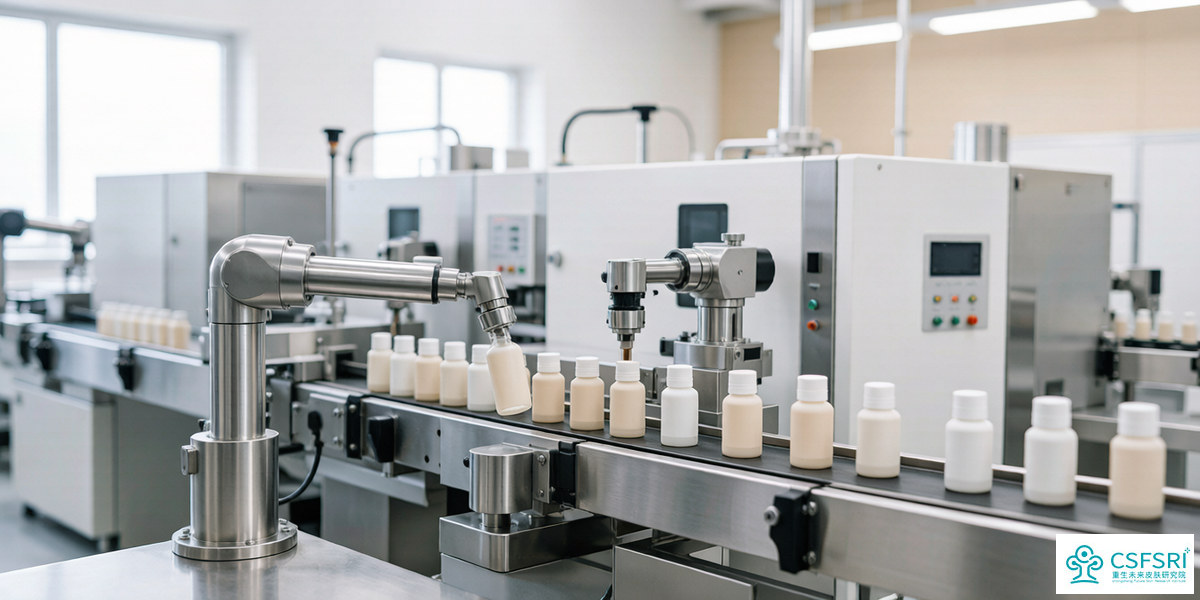
Whichever model you choose, the factory behind it defines your risk. Confirm the facility operates to recognised standards such as ISO 22716 and GMPC, and check it can support the registrations your markets require — for example FDA establishment registration for the United States, CPNP notification for the European Union, or China's cosmetic filing system. Ask how formulation confidentiality is handled and whether exclusivity can be written into the contract.
- Request the factory's certification scope, not just a logo on a website.
- Clarify who owns the formula and the supporting test data.
- Map the realistic timeline, including stability and challenge testing, which typically add several weeks to a few months.
- Understand the order-quantity structure before committing to custom packaging.
Which model do most new brands start with?
For a first launch, ODM is the common starting point because it removes formulation and testing risk while you learn what your customers actually buy. Once a product proves itself, moving it to OEM protects the recipe and improves margin at scale. OBM is rarely a brand-building play; it is a sourcing option for distributors who need stock fast. The pragmatic path is to treat the model as a stage, not a permanent label.
How do CHONGSHENG FUTURE's OEM and ODM programs work?
CHONGSHENG FUTURE (重生未来) runs both OEM and ODM programs across skincare, personal care and haircare from a single contract-manufacturing base. Brands can start with a proven ODM base to test a category, then move a winning product onto a fully owned OEM specification as volumes grow. Our technical team handles formulation translation, stability work and the documentation needed for cross-market compliance.
If you are scoping a private label line and want to pressure-test your manufacturing model against real production constraints, our technical team can review your brief with you and map a compliant route to launch.